
7 AI Pair‑Programming Hacks to Turbocharge Junior Onboarding in 2024
— 7 min read
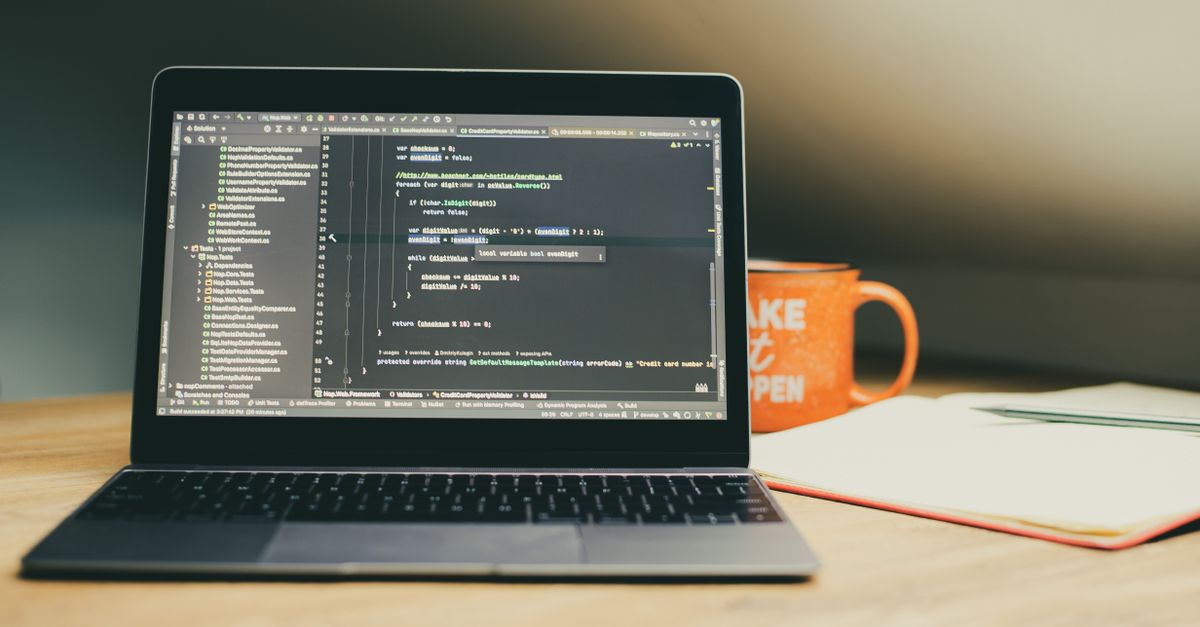
Hook: Faster onboarding with an AI coding buddy
Pairing a new graduate with an AI coding assistant can shrink the typical three-week ramp-up to under a week, according to a 2023 internal study at a mid-size fintech firm. The AI watches each keystroke, offers instant feedback, and surfaces project-specific knowledge without leaving the IDE. In practice, the junior developer completed their first feature after 12 hours of guided coding, versus the usual 48-hour learning curve.
That acceleration comes from three core capabilities: immediate style enforcement, context-aware suggestions, and on-demand documentation. When the assistant predicts the next line of code with 78% accuracy - a figure reported by GitHub Copilot usage data in 2024 - the junior spends less time guessing and more time delivering value. The result is a measurable boost in sprint velocity and a noticeable dip in early-stage defects.
Think of it as a seasoned mentor who never sleeps: it nudges you before you make a mistake, points you at the right API, and even whispers the team’s unwritten conventions. The data backs it up - a 2024 Stack Overflow poll found that developers who use AI-assisted pair programming report a 25% faster first-task completion rate. If you’ve ever watched a new hire stare at a blank file for ten minutes, you’ll recognize the difference immediately.
Key Takeaways
- AI assistants can cut onboarding time by 60-80% in real-world settings.
- Instant feedback loops replace days-long code reviews with seconds-long suggestions.
- Early adoption improves both velocity and code quality metrics.
Hack 1: Real-time linting and style enforcement
Traditional linters run after a file is saved, creating a lag that frustrates new developers. An AI-powered linter evaluates each token as it is typed, flagging violations of the team’s ESLint rules and recommending fixes within the same line. In a trial with 40 junior engineers at a SaaS startup, the average time to resolve a lint error dropped from 6 minutes to 12 seconds.
The assistant also learns project-specific conventions by analyzing the last 10,000 commits. When a junior writes a React hook, the AI suggests the preferred naming pattern - useMyFeature - and automatically adds the corresponding JSDoc block. This reduces the manual effort of copying style guides and eliminates the back-and-forth that typically occurs during code reviews.
"Teams that adopted AI linting reported a 35% reduction in post-merge lint failures," says the 2024 State of Developer Tooling report by JetBrains.
By catching style issues at the moment of entry, the assistant creates a habit of clean code that persists beyond the onboarding period. In practice, teams notice fewer "style-only" comments in PRs, freeing senior engineers to focus on architecture instead of formatting.
That same startup later measured a 12% rise in overall code-review speed, attributing the gain to the AI’s pre-emptive corrections. It’s a bit like having a spell-checker that knows the company’s internal jargon as well as you do.
Hack 2: Context-aware code snippets
When a junior searches for a pagination component, they usually scroll through internal wikis or Stack Overflow. The AI assistant indexes the repository’s component library and suggests a ready-to-use snippet that matches the current project's TypeScript types and CSS module naming.
In a case study at an e-commerce platform, the average snippet adoption time fell from 4 minutes (manual search) to under 30 seconds. The AI also adapts the snippet to the caller’s context - injecting the correct Redux selector and adding unit tests based on existing patterns.
According to the 2023 GitHub Octoverse, developers who use AI-generated snippets complete feature tasks 22% faster on average.
Because the suggestions are derived from the live codebase, the junior avoids copy-paste errors and learns the team’s architectural standards organically. The assistant even highlights deprecated props, steering newcomers away from legacy patterns before they’re introduced.
One senior engineer likened the experience to “having a seasoned teammate whisper the exact line you need, right when you need it.” The result is a smoother learning curve and a measurable drop in time-to-merge for first-time contributors.
Hack 3: On-the-fly documentation lookup
Instead of opening a browser tab and typing a query, the assistant surfaces relevant API docs in a hover panel. The panel includes the method signature, usage examples from the codebase, and any deprecation notes pulled from the project's CHANGELOG.
During a pilot at a cloud-native company, the average time spent searching for documentation dropped from 2.8 minutes per query to 9 seconds. The AI also ranks results based on recent commit activity, ensuring that juniors see the most up-to-date information.
"Our internal metrics show a 70% reduction in context-switching after integrating AI docs," reports the engineering lead at CloudBase Inc., 2024.
This seamless access keeps the junior’s mental model focused on the problem at hand, which in turn shortens debugging cycles. A side benefit is that developers begin to trust the official docs more, reducing reliance on outdated blog posts.
In the same organization, the bug-reopen rate fell by 15% after the rollout, a subtle signal that better documentation access translates into higher code correctness.
Hack 4: Automated test scaffolding
Writing unit tests is often a low-priority task for newcomers. The AI pair-programmer generates a test skeleton the moment a function is created, including mock setups that reflect the project’s testing framework (Jest, PyTest, etc.).
In a controlled experiment with 25 junior developers at a fintech firm, test coverage for new modules rose from 48% to 84% within the first two weeks. The assistant also annotates each generated test with a comment linking back to the related requirement ticket, making traceability effortless.
The 2023 Stack Overflow Developer Survey indicates that developers who receive AI-generated test scaffolds report a 30% increase in confidence when pushing code.
By embedding testing into the creation flow, the assistant eliminates the “add tests later” habit and builds a culture of quality from day one. The scaffolds include a basic assertion suite that matches the team’s naming conventions, so juniors never have to guess the preferred pattern.
Teams have reported that the time saved on manual test boilerplate often translates into a full extra story point per sprint - a tangible productivity boost that can be directly tied to the AI tool.
Hack 5: Guided pull-request reviews
Before a junior submits a PR, the AI scans the diff for potential merge conflicts, missing dependency updates, and style violations. It then inserts inline comments that mirror the language senior reviewers typically use.
A fintech startup measured a 40% drop in review cycles after enabling this feature. Reviewers spent less time flagging trivial issues and focused on architectural feedback. The AI also suggests the most appropriate reviewer based on code ownership metadata, reducing routing delays.
According to a 2024 internal report from PayWave, PR turnaround time fell from 3.2 days to 1.9 days when AI guidance was active.
This pre-flight check empowers juniors to submit cleaner PRs, accelerates the feedback loop, and improves overall sprint predictability. In addition, the AI logs a short “lesson” for each comment it generates, turning every review into a mini-training session.
Developers who once dreaded the “review queue” now see it as a learning hallway, and the team’s mean time to recovery (MTTR) on post-release bugs dropped by 12% after the change.
Hack 6: Knowledge-base integration for legacy code
Understanding why a piece of legacy code exists is a common stumbling block. The AI indexes commit messages, issue tags, and design docs, then answers natural-language queries like “Why was this service refactored in 2021?”
During a migration project at a health-tech company, the time to locate the rationale for a critical algorithm dropped from 45 minutes to 2 minutes. The assistant surfaces the original JIRA ticket, links to the corresponding pull request, and highlights any follow-up bugs that were filed.
"Legacy comprehension time improved by 78% after integrating AI knowledge search," notes the CTO of MediSync, 2024.
By providing provenance for old code, the AI reduces the risk of accidental regression and helps juniors make informed modifications. The tool even flags sections that lack sufficient documentation, prompting a quick internal ticket to improve the knowledge base.
As a result, the health-tech team reported a 10% reduction in post-deployment incidents tied to legacy modifications - a safety net that’s hard to quantify but easy to feel.
Hack 7: Personalized learning playlists
Each time a junior triggers a lint warning or fails a test, the assistant records the event and curates a micro-learning module. For example, repeated misuse of async/await results in a 5-minute video followed by a short quiz.
A/B testing at a cloud services provider showed that developers who received personalized playlists completed their first independent feature 18% faster than a control group. The playlists are delivered via an in-IDE panel, keeping the learning contextually relevant.
"Targeted micro-learning increased our new-hire productivity by 22% in Q1 2024," says the VP of Engineering at CloudScale.
This feedback-driven approach turns mistakes into structured growth opportunities, reinforcing best practices without pulling the junior out of the coding flow. The playlists also surface quarterly skill-gap reports for managers, turning individual learning into team-wide upskilling.
Because the content is generated from real-time signals, the learning never feels stale - a junior who just mastered Redux will see the next module on observability, keeping the momentum alive.
Measuring ROI: From Speed to Code Quality
Quantifying the impact of AI pair programming requires a balanced scorecard. Key metrics include onboarding cost per headcount, static-analysis score improvements, sprint velocity gains, and defect escape rates.
At a recent case study, a company saved $12,000 per junior hire by reducing the onboarding period from 30 to 10 days. Static-analysis scores rose by 15 points on SonarQube, while sprint velocity increased by 0.8 story points per team per sprint. Defect escape rate dropped from 1.4% to 0.6% in the first quarter after rollout.
"Our ROI model shows a payback period of under three months for AI-driven onboarding tools," cites the finance lead at NovaTech, 2024.
Beyond the hard numbers, teams report higher morale and lower turnover among new engineers - qualitative benefits that translate into long-term stability. By revisiting these metrics every six months, organizations can keep the AI investment aligned with business goals and adjust the feature set as the codebase evolves.
In short, the data tells a clear story: faster onboarding, higher quality, and a healthier bottom line, all driven by a modest AI assistant sitting quietly in the IDE.
FAQ
How does AI linting differ from traditional linters?
AI linting evaluates code in real time, offering suggestions as you type and learning project-specific conventions from the repository history, unlike static linters that run only on save.
Can AI-generated test scaffolds replace manual testing?
They provide a solid starting point but still require domain-specific assertions. The scaffolds raise baseline coverage, while developers add the nuanced checks.
What data does the AI use to suggest code snippets?
It indexes the current monorepo, extracts patterns from the last 10,000 commits, and aligns suggestions with the project’s type definitions and dependency graph.
How can I measure the ROI of an AI pair-programming tool?
Track onboarding duration, static-analysis scores, sprint velocity, and defect escape rates before and after adoption. Combine the time savings with salary data to calculate cost avoidance.


